The mentors and collaborators I’m fortunate to have relied on, and continue to rely on, have made the work of the teams I am part of possible. This page lists labs, teams, and collaborations that have played a part in my work.
Community Health Intervention and Resilience Promotion (CHIRP) Lab, The University of South Carolina
The Community Health Intervention and Resilience Promotion (CHIRP) Lab, led by Guillermo Wippold, Ph.D., focuses on addressing health disparities through culturally-tailored interventions, developed through community-based participatory research. I am a part of the CHIRP lab as a graduate researcher, and have been fortunate to be part of the development and launching of a number of initiatives to support health justice.
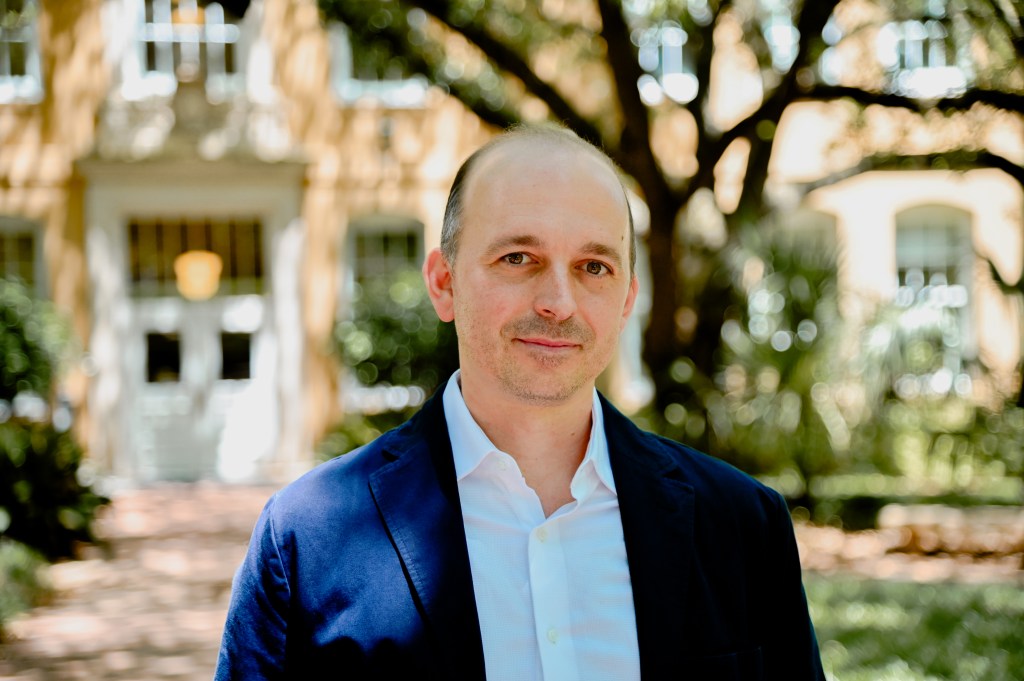
Guillermo Wippold, Ph.D.
Affiliations: Associate Professor of Psychology, University of South Carolina
I study community-engaged, implementation-focused interventions to advance men’s health, leveraging barbershops and other trusted hubs to deliver peer-supported programs that improve health-related quality of life and equitable access to care. My work integrates mixed methods, stakeholder advisory boards, and adaptive digital tools to co-design, test, and scale pragmatic strategies that strengthen recruitment, retention, and real-world impact.
Website | University Site | ResearchGate | Google Scholar
Kaylyn Garcia, M.A.
Affiliations: Doctoral Candidate, Clinical-Community Psychology, University of South Carolina
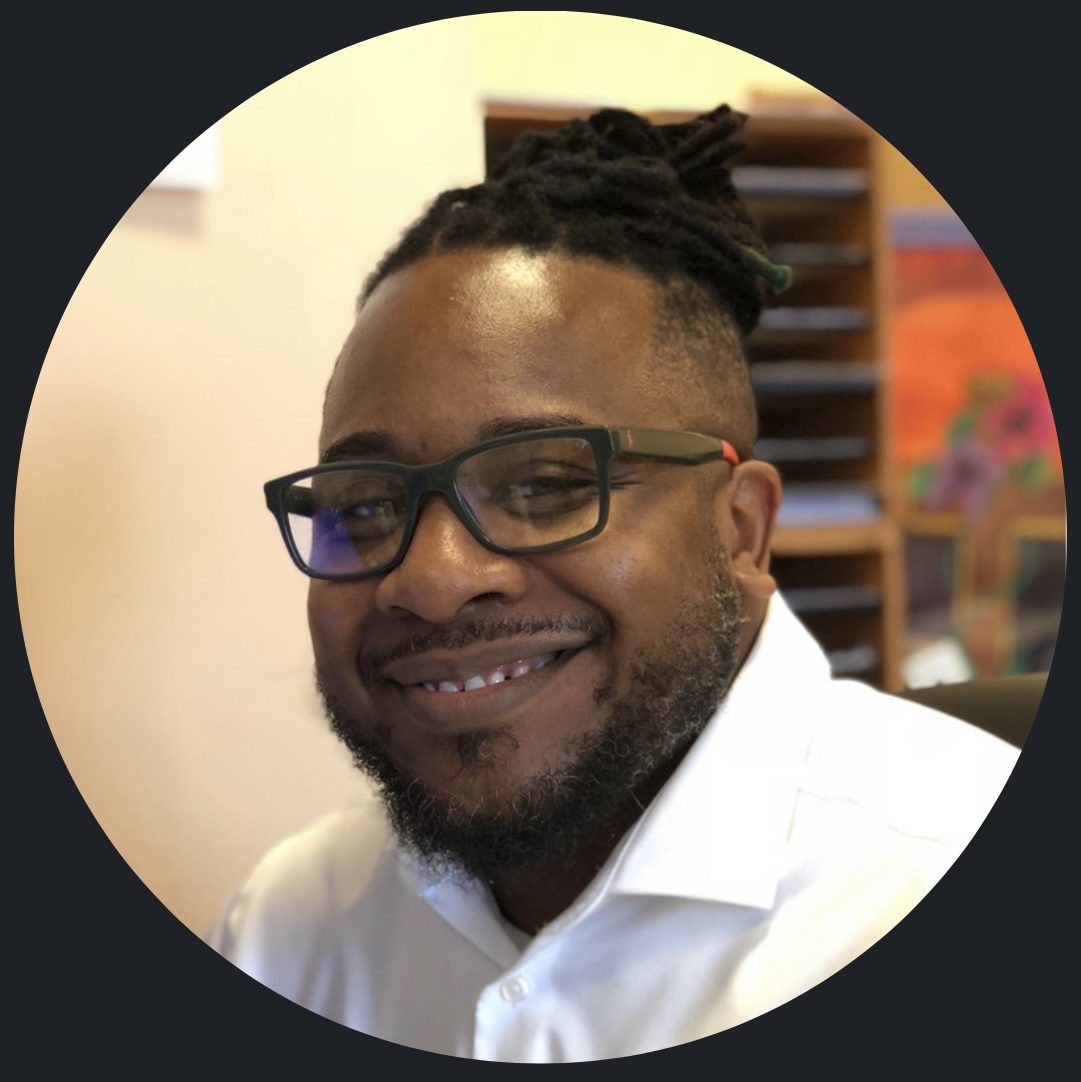
Zion Riley Crichlow, ADC, M.A.
Affiliations: Doctoral Student, Clinical-Community Psychology, University of South Carolina; Newark, N.J.
My interests center on understanding the sociopolitical climate as an invalidating environment and the link to BPD.
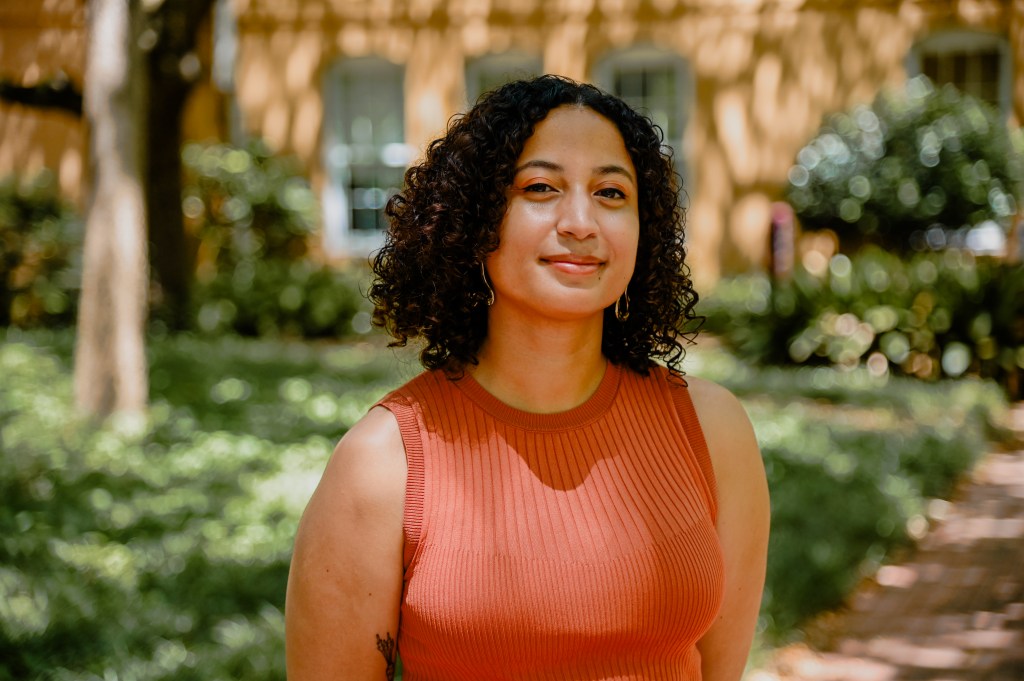
Hanna Smyles, M.A.
Affiliations: Doctoral Student, Clinical-Community Psychology, University of South Carolina
My academic interests include identity development processes, social connection & belonging, and community-based interventions. Within these topics, I am particularly interested in art as a driver of collective wellbeing and building supports tailored towards individuals experiencing marginalization.
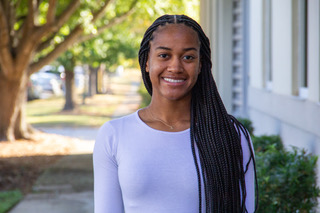
Kalyn Prothro, B.A.
Affiliations: Doctoral Student, Clinical-Community Psychology, University of South Carolina; Houston, TX
My research interests are centered on using community-engaged research methods to study how cultural contexts and values promote resilience for Black youth experiencing adversity and traumatic stress. Through my work, I would like to empower and promote positive outcomes among Black youth, contributing to the dismantling of unjust systems.
Integrated Care for Recovery (I-CaRe) Center, The University of South Carolina
The I-CaRe Center, a Health Resources and Services Administration (HRSA) funded training center focused on developing researchers and clinicians dedicated to providing compassionate, evidence-based care to individuals and communities affected by Substance Use Disorders. I was a fellow with the I-CaRe Center in 2022 – 2023, and was fortunate to gain meaningful clinical supervision and research guidance that would go on to inform my current work. I also continue to publish research about peer support work for substance use recovery with the I-CaRe team listed below.
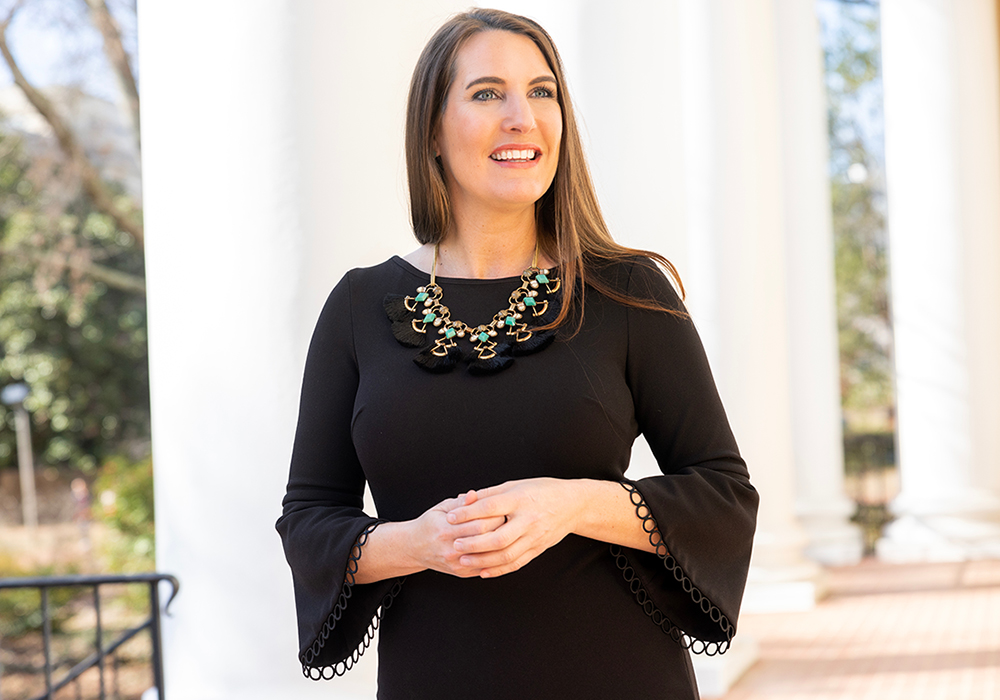
Sayward Harrison, Ph.D.
Dr. Sayward Harrison is a health psychologist and Associate Professor in the Department of Psychology at the University of South Carolina (USC) where she runs the Healthy Futures Lab. Dr. Harrison conducts community-engaged research to improve the psychosocial and behavioral health of individuals affected by stigmatized health conditions including substance use disorder (SUD) and HIV. She also serves as Director of the USC Integrated Care for Recovery (I-CaRe) Center—a clinical training center focused on improving prevention and treatment of opioid use disorder and other SUDs.
Affiliations: Department of Psychology, McCausland College of Arts and Sciences, University of South Carolina; SC SmartState Center for Healthcare Quality, Arnold School of Public Health, University of South Carolina
Steven B. Harrod, Ph.D.
Affiliations: Associate Professor of Psychology, University of South Carolina
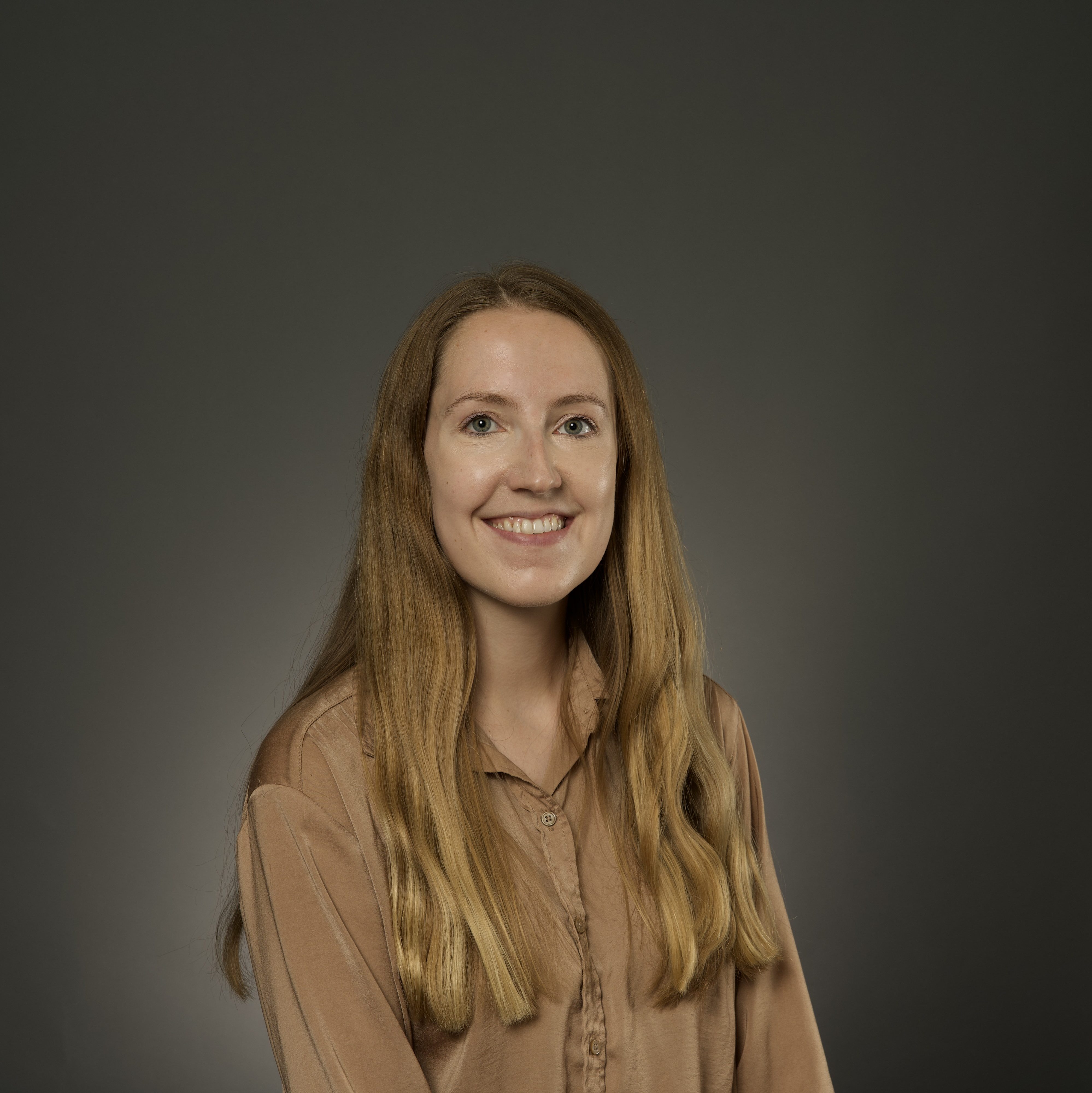
Elizabeth Bodalski, Ph.D.
Dr. Bodalski’s research focuses on ADHD, emotion dysregulation, and substance use disorders in adults. Clinically, Dr. Bodalski see adults with a broad range of presenting concerns for therapy and assessment.
Affiliations: Postdoctoral Fellow at Baylor Scott & White Health
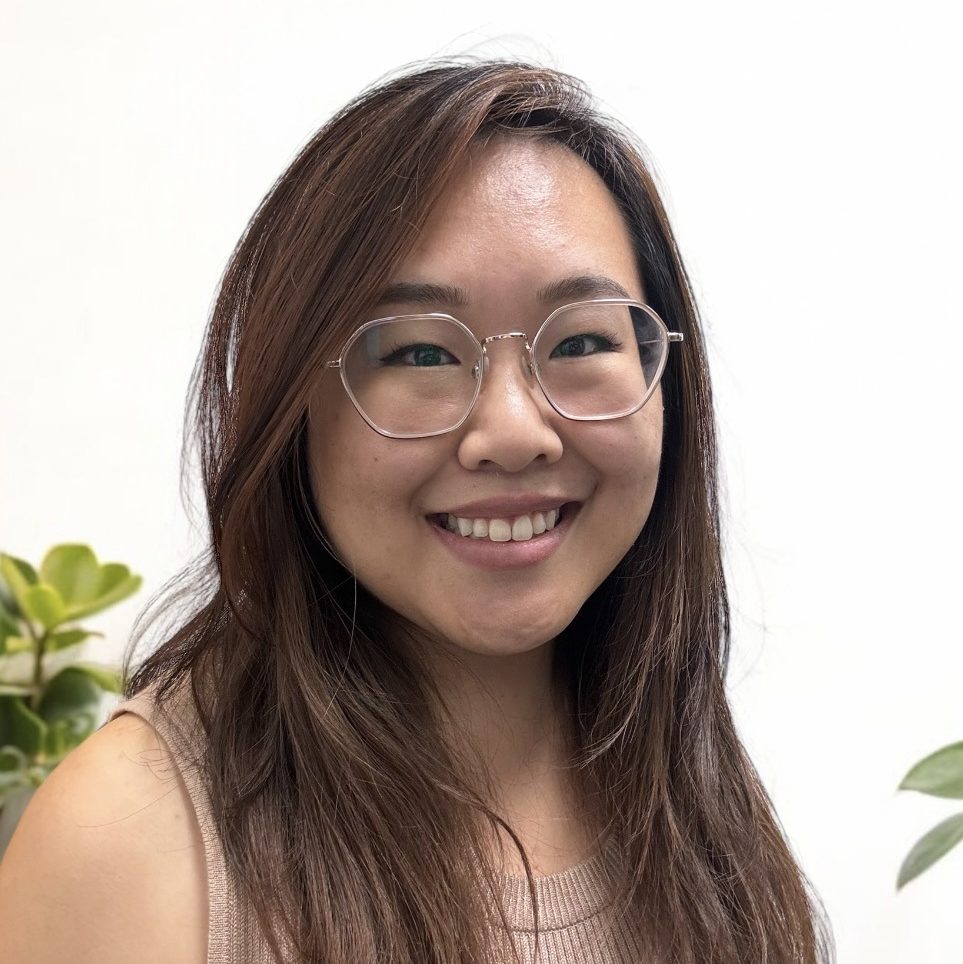
Wendy Chu, Ph.D.
Dr. Wendy Chu is a Postdoctoral Fellow in the Pritzker Department of Psychiatry and Behavioral Health at Ann & Robert H. Lurie Children’s Hospital of Chicago. Through her research and clinical work, Dr. Chu is committed to promoting culturally responsive mental health services for marginalized youth and families.
Affiliations: Ann & Robert H. Lurie Children’s Hospital of Chicago
Website | ORCID | LinkedIn | Google Scholar
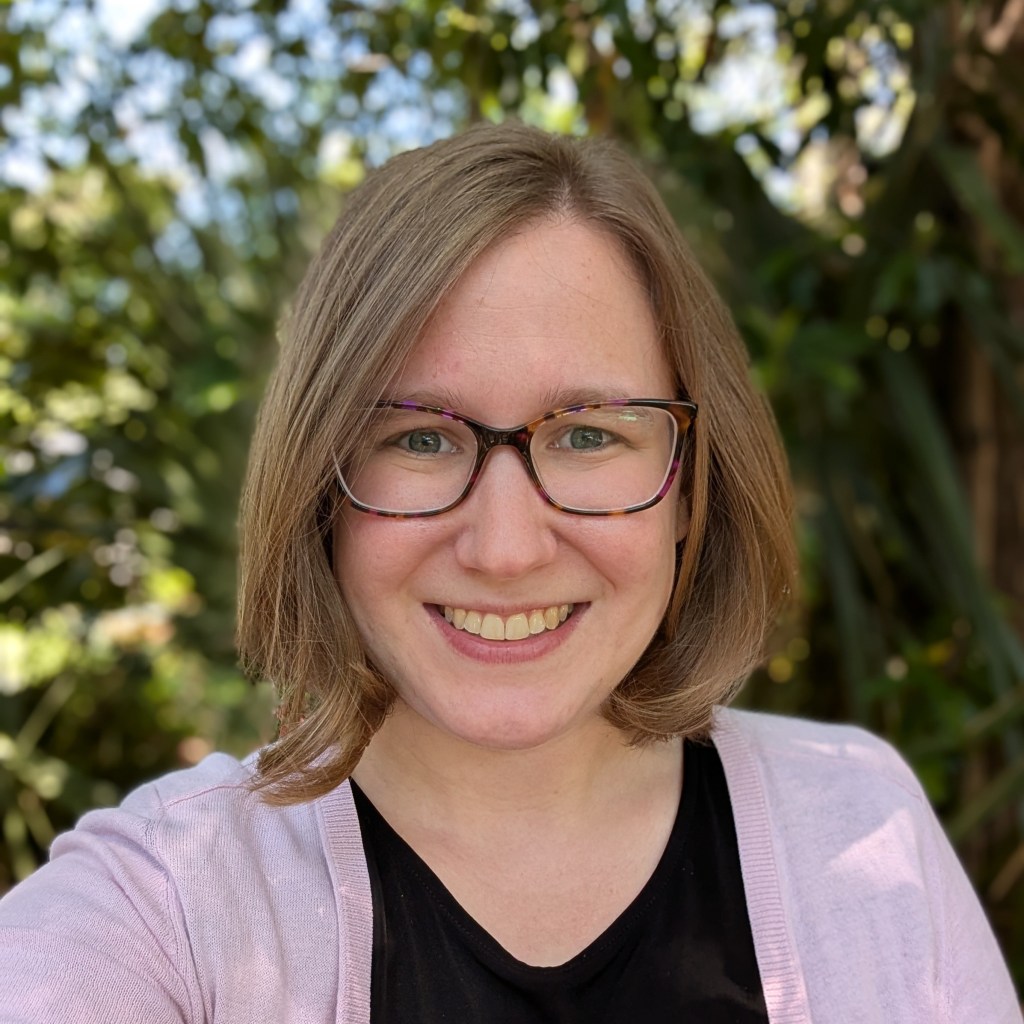
Sarah J. Miller, M.A.
Affiliations: University of South Carolina Department of Psychology, Denver Health & Hospital Authority
Sarah’s research focuses on improving access to and engagement with evidence-based substance use disorder treatment and recovery services. Sarah has a special emphasis on conducting this work with emerging adults.
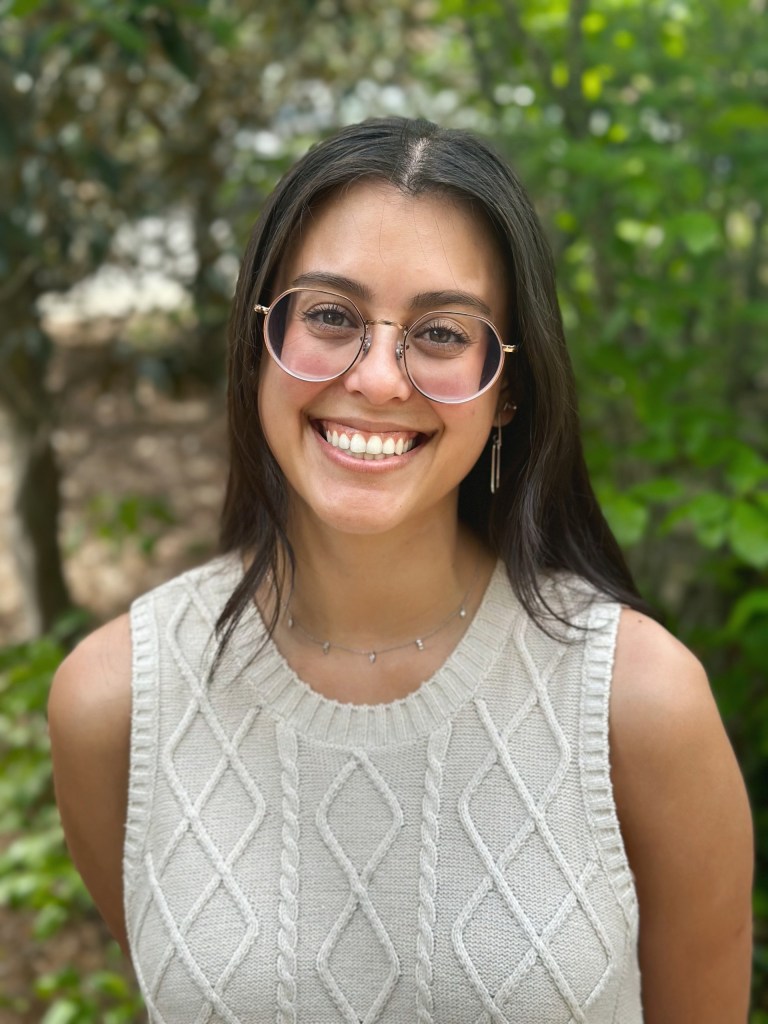
Maggie Moskal, M.A.
Maggie Moskal is a Predoctoral Fellow at The Consultation Center at Yale School of Medicine.
Maggie’s research is committed to promoting mental health equity by developing culturally responsive youth prevention programs through community-partnered research.
Affiliations: University of South Carolina, Department of Psychology; Yale University, School of Medicine
LinkedIn
Ellie Wu. Ph.D.
Affiliations:
Collaborators through Center for Healthcare Quality (CHQ), The University of South Carolina
The Smartstate Center for Healthcare Quality (CHQ) supports graduate students invested in research related to improving the quality of healthcare across the care continuum – within South Carolina, nationally, and globally. I was a CHQ junior scholar from 2023 – 2024, and with my collaborators I focused on reviewing literature related to U.S.-based HIV prevention and intervention through partnership with faith communities. These partnerships later led to my collaboration on additional projects related to healthcare quality among transgender* individuals.
Shan Qiao, Ph.D.
Affiliations: Associate Professor, Health Promotion, Education, and Behavior, Arnold School of Public Health, University of South Carolina
Sayward Harrison, Ph.D.
Dr. Sayward Harrison is a health psychologist and Associate Professor in the Department of Psychology at the University of South Carolina (USC) where she runs the Healthy Futures Lab. Dr. Harrison conducts community-engaged research to improve the psychosocial and behavioral health of individuals affected by stigmatized health conditions including substance use disorder (SUD) and HIV. She also serves as Director of the USC Integrated Care for Recovery (I-CaRe) Center—a clinical training center focused on improving prevention and treatment of opioid use disorder and other SUDs.
Affiliations: Department of Psychology, McCausland College of Arts and Sciences, University of South Carolina; SC SmartState Center for Healthcare Quality, Arnold School of Public Health, University of South Carolina
Hospitality and Harm Reduction Research Collectives
Hospitality and Harm Reduction is a collection of projects supporting lay harm reduction efforts among key knowledge-holders within local communities – bartenders, waitstaff, bouncers, working musicians, and other groups within the hospitality community. My collaborators and mentors for Hospitality and Harm Reduction include academically-based faculty, undergraduate, pre-graduate, and graduate researchers, and community-members.
Sayward Harrison, Ph.D.
Dr. Sayward Harrison is a health psychologist and Associate Professor in the Department of Psychology at the University of South Carolina (USC) where she runs the Healthy Futures Lab. Dr. Harrison conducts community-engaged research to improve the psychosocial and behavioral health of individuals affected by stigmatized health conditions including substance use disorder (SUD) and HIV. She also serves as Director of the USC Integrated Care for Recovery (I-CaRe) Center—a clinical training center focused on improving prevention and treatment of opioid use disorder and other SUDs.
Affiliations: Department of Psychology, McCausland College of Arts and Sciences, University of South Carolina; SC SmartState Center for Healthcare Quality, Arnold School of Public Health, University of South Carolina
Steven B. Harrod, Ph.D.
Affiliations: Associate Professor of Psychology, University of South Carolina
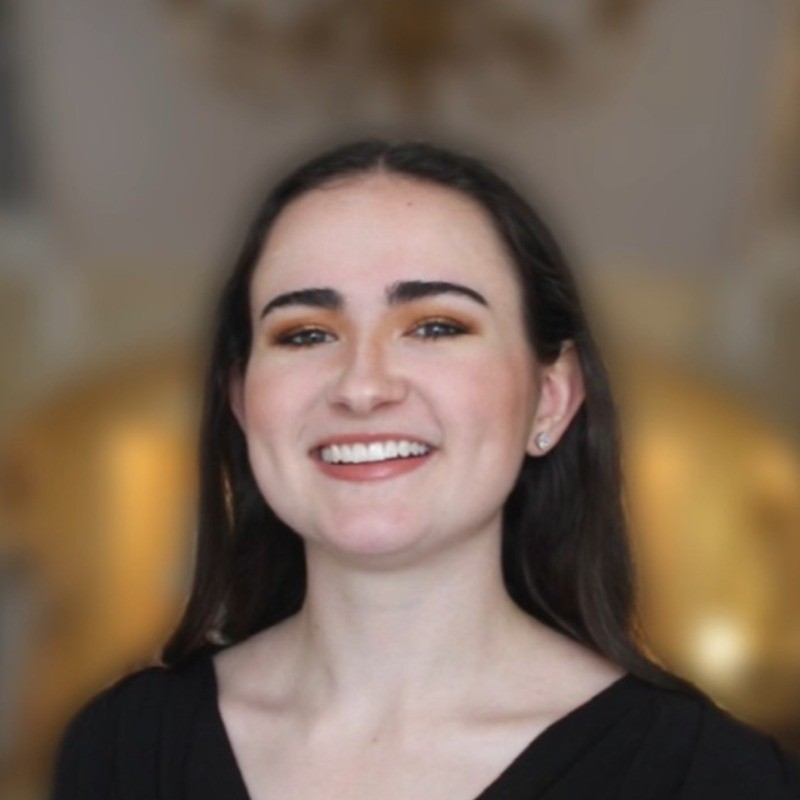
Alyssa Godwin Joy, B.S.
Affiliation: Doctoral Student, School Psychology, University of South Carolina
I am interested in studying the impacts of opioid overdose and addiction within school systems.
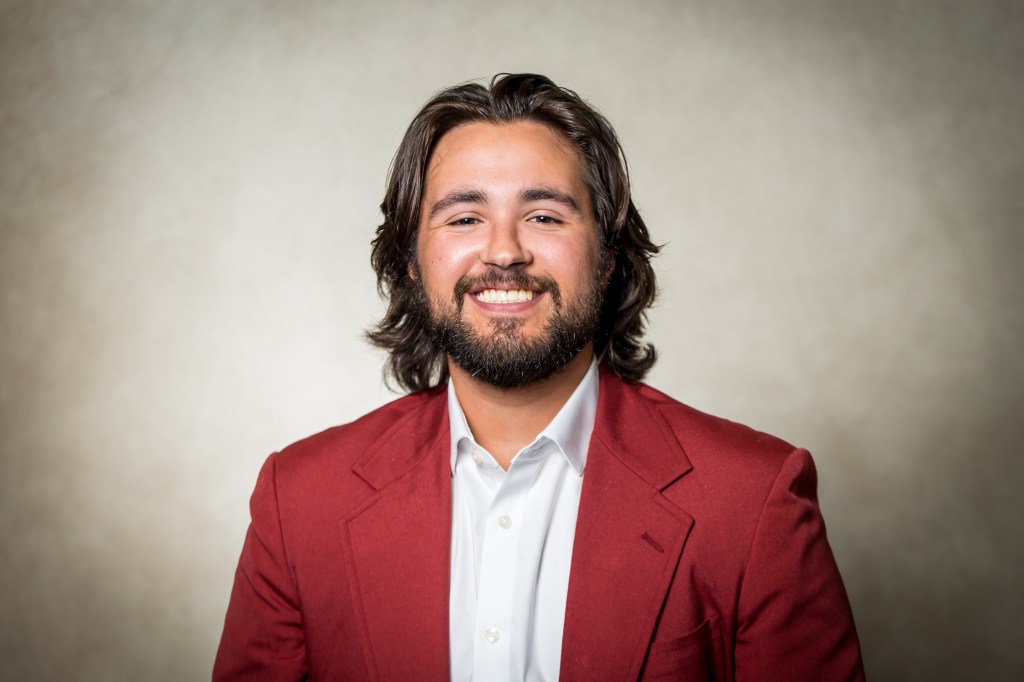
Thomas Bellanger, B.S.
Affiliation: Recent Graduate, University of South Carolina
Thomas Bellanger (he/him) is a student researcher in the Hospitality and Harm Reduction project. He completed his Bachelor’s degree from the University of South Carolina and is primarily interested in studying populations disproportionately affected by the opioid crisis and examining intervention strategies using pre-existing community strengths.
Hannah Blevins, B.S.
Affiliation: The University of Maryland Medical School
Haley Chiccino, B.S.
Affiliations:
Morgan Fuller, M.Ed.
Affiliations: Doctoral Candidate, Clinical-Community Psychology, University of South Carolina; Doctoral Intern, James A. Haley VA
Morgan identifies as a relational and trauma-informed clinician, with her work primarily grounded in attachment theory, psychodynamic therapy, and systems-based frameworks. Although a generalist, she specializes in working with couples and intimate relationships, complex/relational trauma, personality organization and evaluations, and identity conflict. Her research focuses on a broader commitment to creatively supporting those in high-stress settings through playfulness and humor.
Ryan Houston-Dial, M.A.
Affiliations: Doctoral Candidate, Clinical-Community Psychology, University of South Carolina
Claire Howard, B.S.
Affiliations: Recent Graduate, University of South Carolina
Cooper Jennings, B.S.
Affiliations: Recent Graduate, University of South Carolina
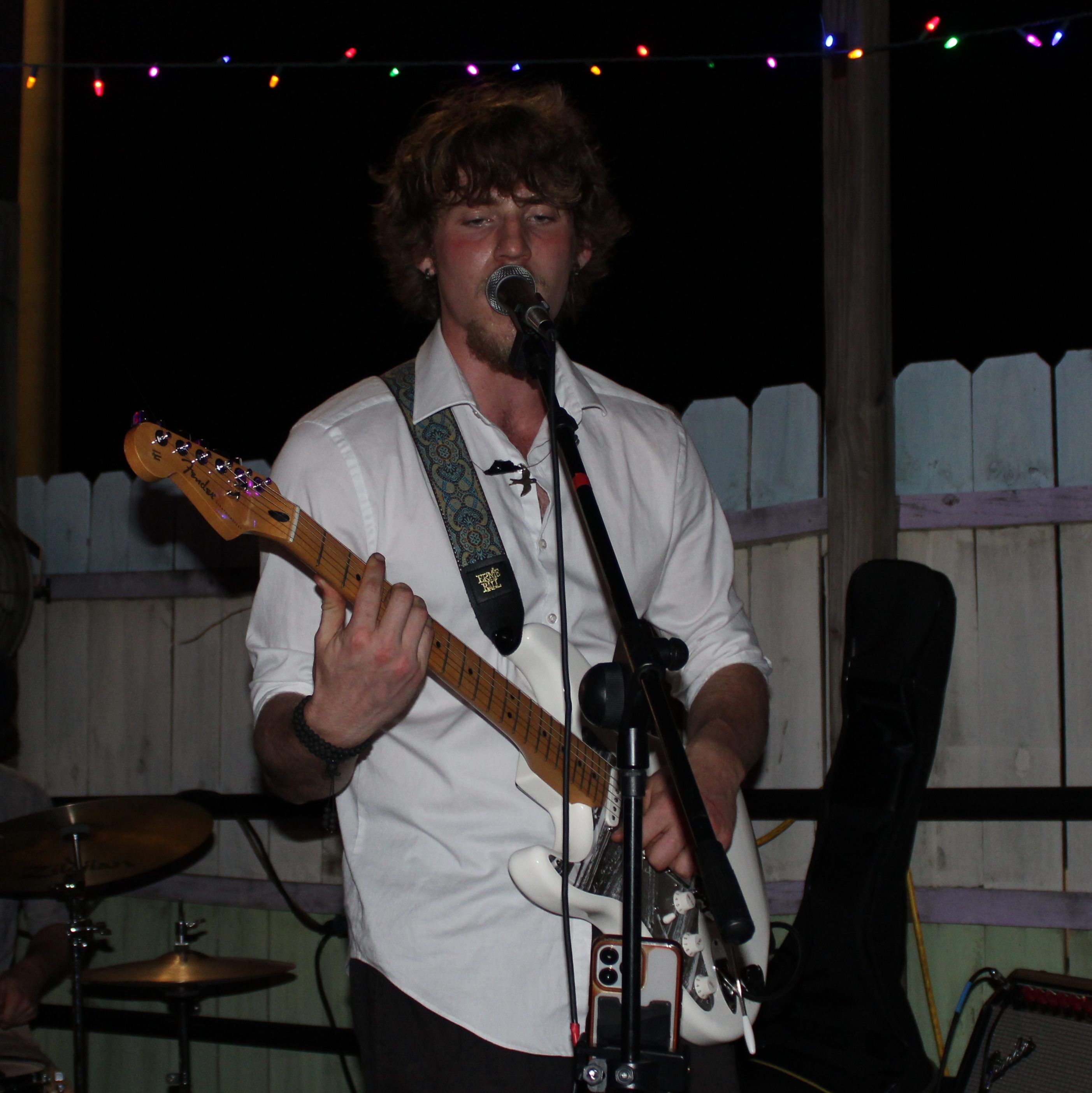
Matthew Linger
Affiliations: Undergraduate Student, University of South Carolina
Matthew Linger is interested in finding holistic approaches to healing through exercise and others methods.
Ayush Joshi, B.S.
Affiliations: H&HR Community Leadership Team
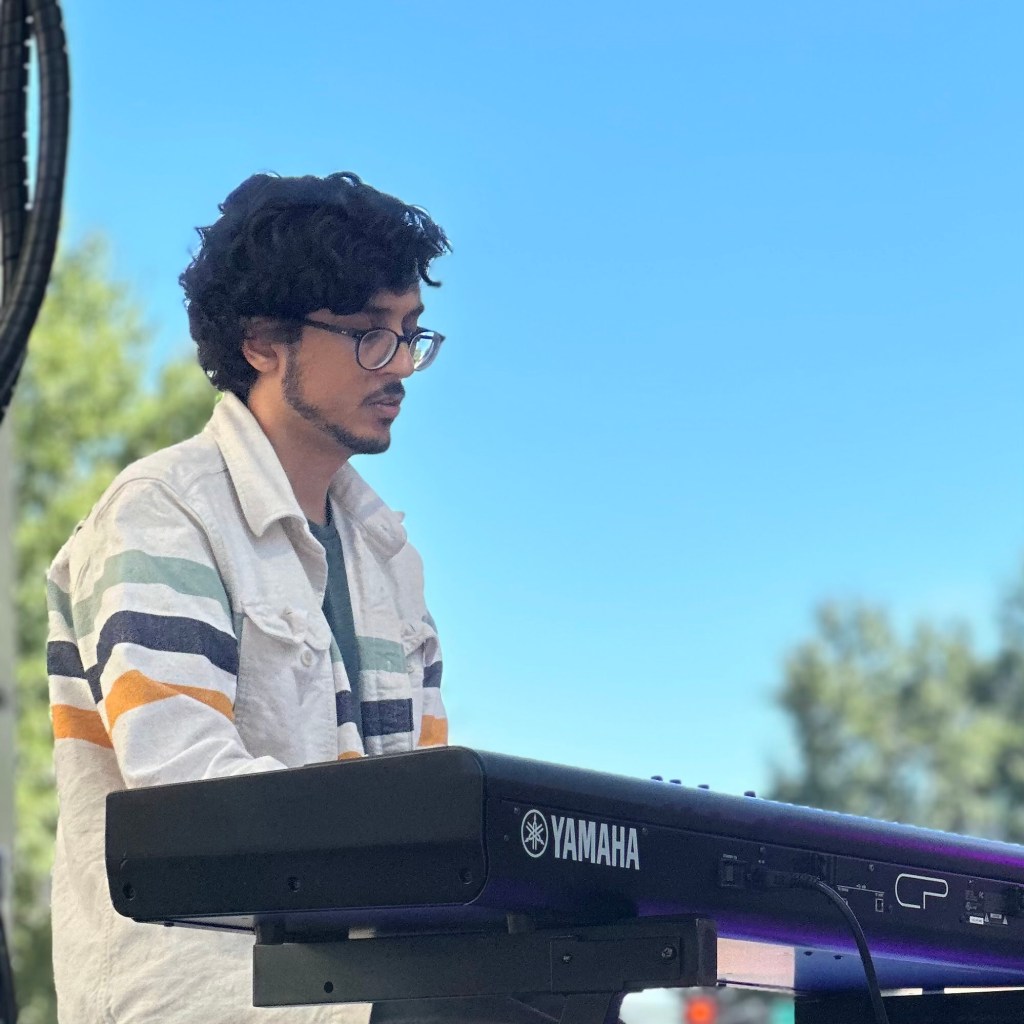
Ayush Joshi is a pianist, organist, and music director. He plays all kinds of music but really loves jazz and blues.
Nigel Ouzts, M.M.
Affiliations: H&HR Community Leadership Team
Ben Eidson, B.M.
Affiliations: H&HR Community Leadership Team
Trans* Resilience Project
Beginning as my dissertation, the Trans* Resilience Project seeks to identify factors for resilience among trans* communities that faith communities can support. Support came from mentorship, collaboration with other scholars, and connection with the project’s Community Leadership Team (not listed here due to contextual factors).
Hanna Smyles, M.A.
Affiliations: Doctoral Student, Clinical-Community Psychology, University of South Carolina
My academic interests include identity development processes, social connection & belonging, and community-based interventions. Within these topics, I am particularly interested in art as a driver of collective wellbeing and building supports tailored towards individuals experiencing marginalization.
Additional Collaboration
I’ve been privileged to work with the following individuals to develop presentations or resources outside of those listed above.
Dylan Randall Wong, M.A.
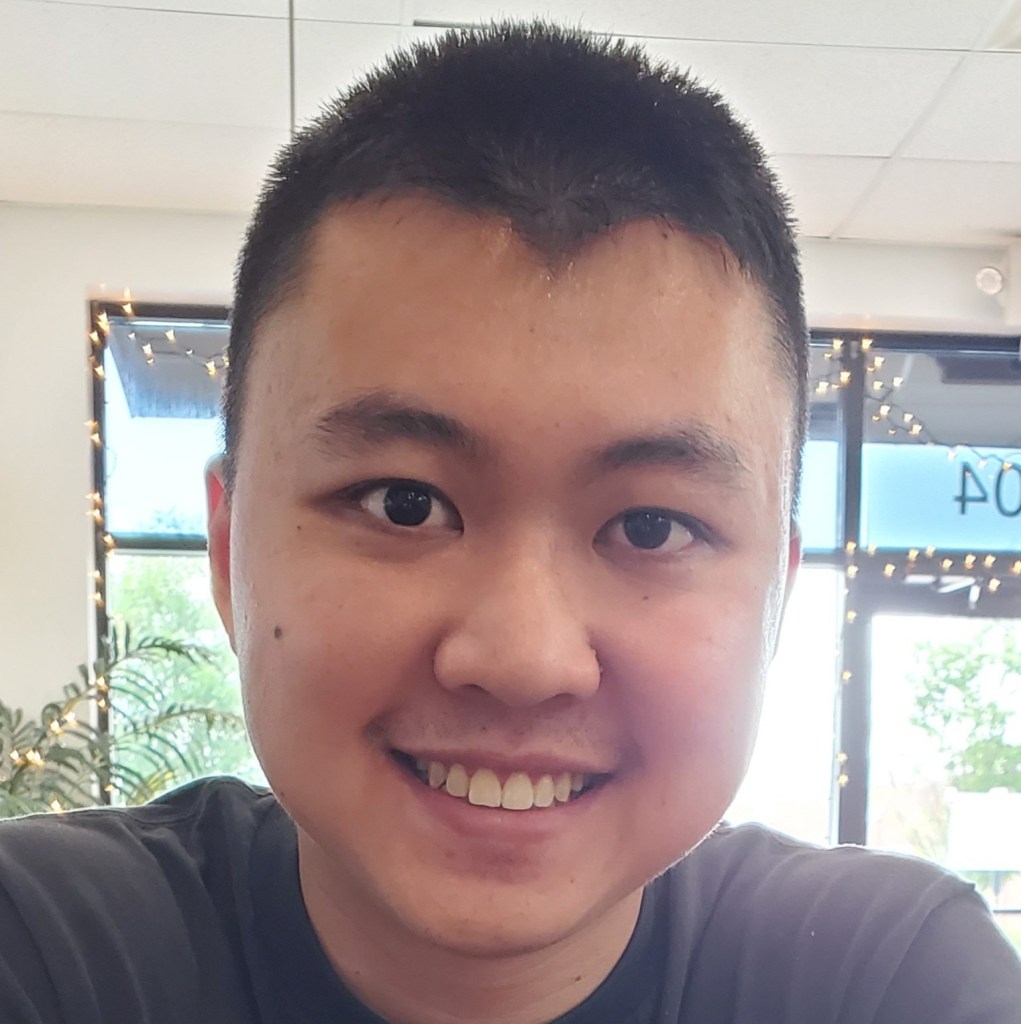
I have research interests in developing methods and tools for evaluation and implementation science aimed at improving the implementation readiness of community-based organizations. My content interests lie at the intersection between community psychology and clinical psychology approaches to health and well-being, including community-based prevention and promotion.
Affiliations: Doctoral Candidate, Clinical-Community Psychology, University of South Carolina
 Sarah Grace Frary, M.A.